Twill Backgrounds: The Texture Your Digital Projects Are Missing
There's a certain warmth and authenticity that comes with tactile materials. The subtle crosshatch of a woven fabric, the structured lines of a plaid—it adds depth and character that flat, digital colors sometimes lack. For designers and crafters looking to inject that handmade, premium feel into their work, the right digital texture is a game-changer. This is where a well-curated Twill Backgrounds digital paper pack becomes an indispensable part of your design toolkit.
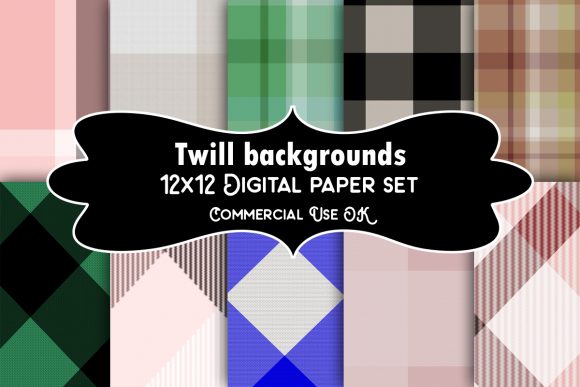
At its core, a twill pattern is defined by its distinctive diagonal weave. This creates a sense of movement and structure that’s more dynamic than a simple solid color but less busy than a complex floral or geometric print. The Twill Backgrounds collection captures this essence perfectly, offering a versatile range of plaid designs that feel both classic and contemporary. The visual personality is one of quiet sophistication—think of the cozy appeal of a flannel shirt or the structured elegance of a tailored jacket, translated into a digital format.
Where This Texture Truly Shines
The practical applications for a Twill Backgrounds pack are surprisingly broad, making it a valuable asset across numerous creative disciplines. For scrapbooking and paper crafts, these 12×12 inch files are perfectly sized for creating photo mats, layering elements, or as a full-page background that adds instant texture without overwhelming your photos and embellishments. The 300 DPI resolution ensures every detail is crisp, whether you're printing at home or through a professional service.
In the realm of web and graphic design, these backgrounds solve the common problem of visual flatness. Use them as a subtle backdrop for a hero section on a website, a textured panel in a social media graphic, or the base for a presentation slide. They provide visual interest that helps content pop, improving readability and guiding the viewer's eye. For business and marketing materials, a twill texture can lend a sense of reliability and craftsmanship to a brand. It works beautifully for packaging design, business card backgrounds, or promotional flyers, helping to build a brand identity that feels grounded and authentic.
Making Smart Design Choices with Texture
Choosing to use a textured background like a twill isn't just about aesthetics; it's a strategic decision that influences how your audience perceives your work. A well-chosen texture contributes to visual hierarchy. By placing your key message—be it text or a product image—over a textured background, you create a clear focal point. The texture recedes, allowing your foreground elements to command attention with greater clarity.
This approach also significantly boosts brand perception and professionalism. In a sea of flat design, a thoughtful texture demonstrates an extra layer of care and attention to detail. It signals quality, which can be particularly powerful for entrepreneurs, small business owners, and content creators building a recognizable brand identity. Consistency is key, and having a go-to pack of Twill Backgrounds allows you to maintain a cohesive look across your website, social media, email newsletters, and print collateral.
Practical Guidance for Implementation
When integrating these backgrounds into your projects, a few practical considerations will ensure the best results. First, always evaluate the project fit. A dense, dark twill might be perfect for a moody, luxury brand's Instagram post but could overwhelm a minimalist infographic. The Twill Backgrounds collection's variety of shades and orientations allows you to select a pattern that matches your project's tone.
Next, consider font pairing and readability. Textured backgrounds require a bit more thought when it comes to typography. For body text, choose a sans serif font or a highly legible serif font with sufficient weight and size. Ensure there is enough contrast between the text color and the background. A common technique is to place a semi-transparent shape or a soft drop shadow behind text to guarantee it remains easy to read, especially in editorial design or web design contexts.
Finally, think about your overall design system. Use the twill texture as one element within a broader palette. It pairs exceptionally well with solid colors, other subtle textures, and clean typography. Try using it as an accent—a sidebar, a footer, or a decorative border—rather than as the dominant element in every single piece. This thoughtful restraint is what separates good design from great design.
A Versatile Asset for Every Creator
Ultimately, a resource like the Twill Backgrounds digital paper pack is about expanding your creative vocabulary. It provides a foundation of texture and warmth that can be adapted to countless scenarios. Whether you're a hobbyist making handmade cards, a marketer crafting social media graphics, a blogger designing a cohesive site aesthetic, or a publisher laying out a print document, these backgrounds offer a practical and visually appealing solution.
The value lies in their flexibility. They are design assets that can be used commercially, allowing you to apply them to client work, products for sale, or your own business materials without hesitation. By incorporating such textures, you move beyond generic digital flatness and create work that feels more tangible, more considered, and ultimately, more engaging for your audience. It’s a simple change that can elevate the perceived quality of your entire project.